Winslow Homer
1836–1910
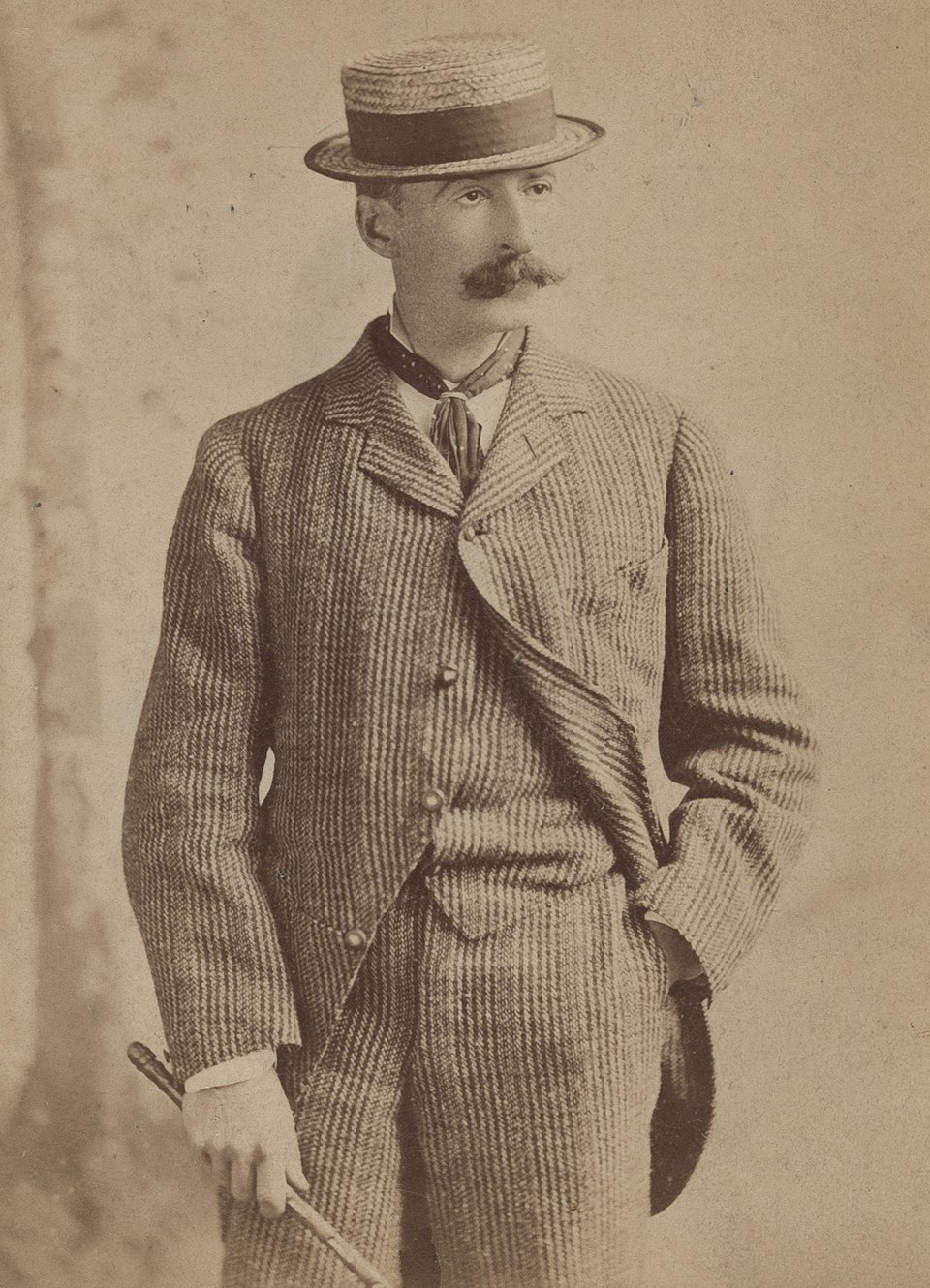
Master American painter of land, sea, and rural life.
Born in Boston and largely self-taught, Winslow Homer began his career as a freelance illustrator, sending dispatches from the front lines of the Civil War to Harper's Weekly. Out of that hard apprenticeship came the early masterpieces of post-war American life — Snap the Whip (1872), Breezing Up (1876), and the long series of paintings of rural childhood and labor that defined his first reputation.
After a transformative stay at Cullercoats on the North Sea in 1881–82, Homer settled at Prouts Neck on the coast of Maine, where for nearly three decades he produced the great late seascapes — The Life Line, The Fog Warning, Eight Bells, The Gulf Stream — that established him as the foremost American painter of his century.
Homer was a close friend of Helena de Kay Gilder from her earliest days at the National Academy and the Cooper Union, and his quietly devoted 1872 portrait of her, Portrait of a Lady, is one of the most penetrating likenesses he ever made. He remained a part of the extended Gilder circle for the rest of his life, exhibiting alongside Eaton and Saint-Gaudens at the Society of American Artists that Helena helped to found.