Rev. William Henry Gilder
1812–1864
Methodist Clergyman & Patriarch of the Gilder Family
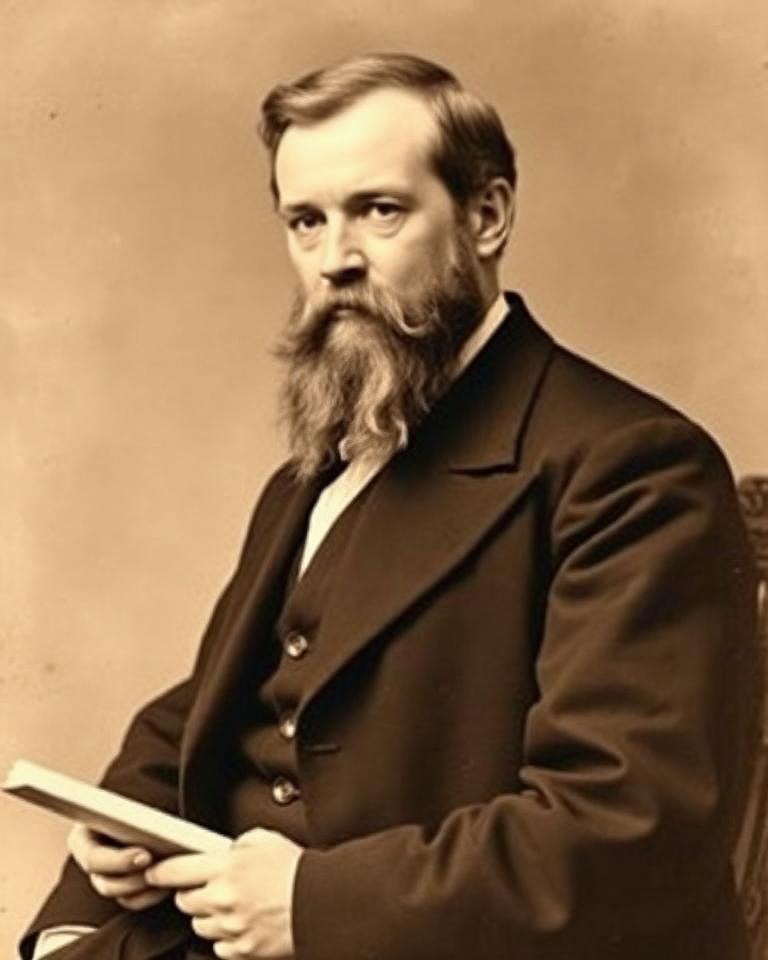
Methodist minister and educator; father of the Gilder generation that shaped American letters, art, and exploration.
William Henry Gilder was a Methodist minister, educator, and the patriarch of one of America’s most culturally influential families of the 19th century. Born in Philadelphia on September 17, 1812, and educated at Wesleyan University, Gilder dedicated his life to spiritual and intellectual leadership during a period of intense religious and civic transformation in the United States.
He served as a prominent clergyman in Pennsylvania and later in New Jersey, becoming known not only for his pulpit presence but for instilling values of education, public service, and artistic expression in his children—many of whom went on to shape American cultural and literary history.
Gilder’s death came during the Civil War at Brandy Station, Virginia, on April 13, 1864, while he was serving as a chaplain. His legacy lived on most powerfully through his children: John Francis Gilder – Composer and pianist William Henry Gilder (Jr.) – Civil War officer and Arctic explorer Richard Watson Gilder – Poet and editor of The Century Magazine Jeannette Leonard Gilder – Journalist, editor, and co-founder of The Critic Joseph Benson Gilder – Editor and literary organizer Robert Fletcher Gilder – Artist and archaeologist Although William Henry Gilder did not live to see Four Brooks Farm come into its full identity as an intellectual and artistic sanctuary, he is foundational to its legacy. The values he passed down—spiritual inquiry, artistic engagement, public duty—formed the moral and cultural compass for his children, especially Richard Watson Gilder and Helena de Kay Gilder, whose marriage would establish the heart of the Four Brooks Circle.
Through them, and their children like Rosamond Gilder, the ideals of William Henry Gilder continued to influence generations of American thought and creativity. His role as the moral and educational cornerstone of the Gilder lineage makes him an essential part of the story of Four Brooks—its conscience, in a very real sense.